Our Blog

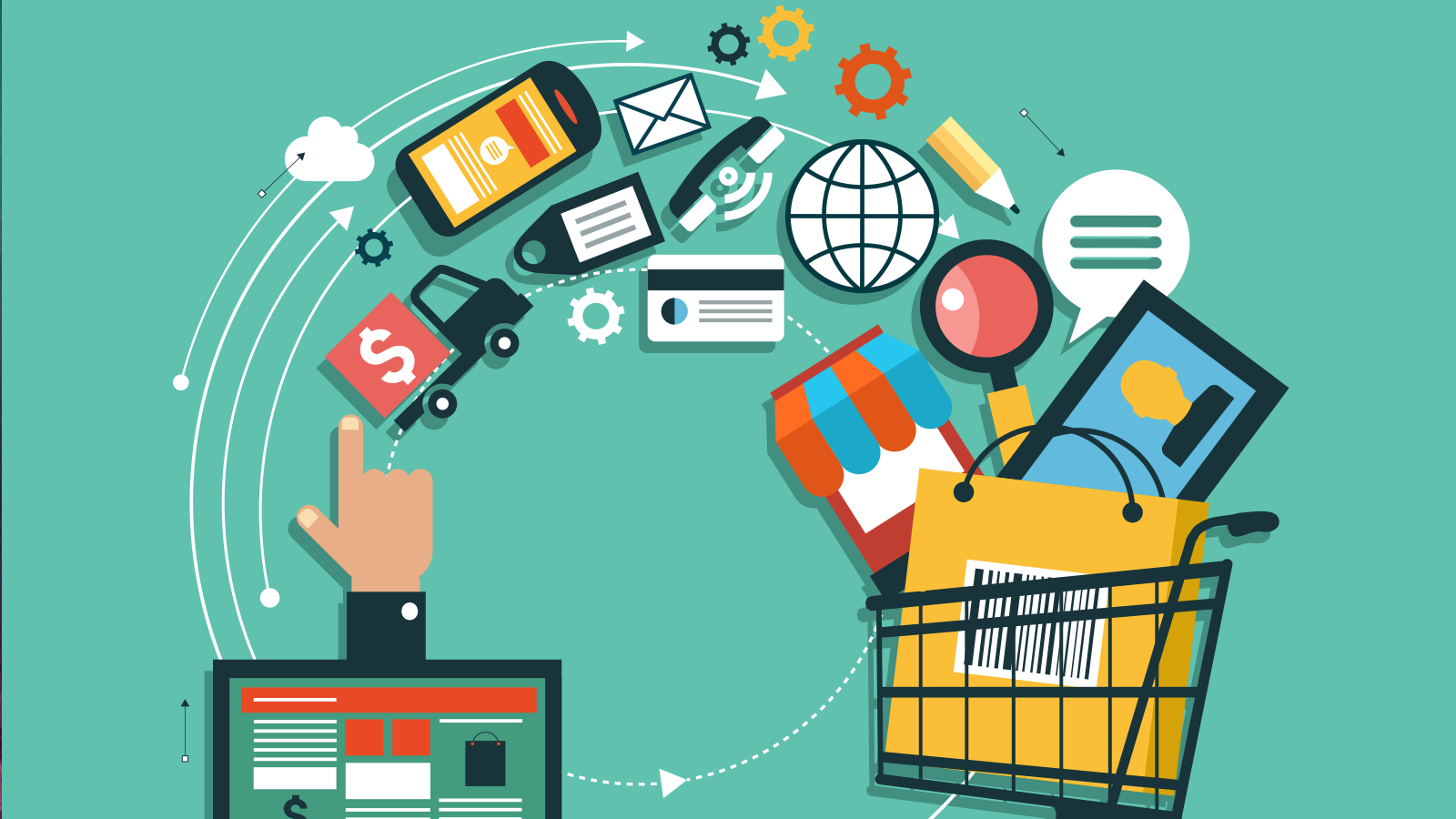
Online shopping has captured consumer’s attention and made shopping convenient. E-commerce entrepreneurs are constantly striving to attract more users towards their website and globalize the website over the web.

As an established online store owner, it is imperative to maintain the reputation of your website. A good reputation of your website is directly proportional to the number of visitors you attract to your website. Lower the bounce rate, better will be the credibility of your website.

1. User Specific Keyword Research

Understanding the customers' point of view is crucial to driving traffic to your website. Customers find a variety of ways to look for a product on the web. Instead of names, they search a product by model numbers or configurations. Knowing how users come about with their search terms can help you get the relative keywords which can improve the website’s presence on different search engines.

2. Write Trustworthy and Unique Content

It is said "Content is King". Meaningful, engaging and original content not only increases the credibility of your website but also maintains your website's reputation. Content entices potential customers to spend more time engaging with your brand.

3. Creating Good Meta Descriptions

Meta descriptions which include titles, H1 and H2 tags increase the chances to get quickly indexed on the search engines. You can optimize the title tags by putting promotional prices to the main headings.

4. Social Media Integration

Integrating your website with social media like Facebook, Twitter and LinkedIn is important for a publicity. People can look at your website offers directly on the social media page. Being active on social media will help build a great relationship with potential customers. Every share on social media is free advertising.

5. Let Search Engines Index the Reviews

Every e-commerce store has a user's feedback and review section where they put in their experience about the product. Users look more on user reviews and ratings instead of analyzing the products in detail. Reviews bring more customers to the website.

6. Use Sensible URLs

User-friendly URLs communicate to the reader the content which he expects to see in case he clicks on the link. So, the URLs should contain the right keywords. It will increase the chances of the web page going up in the search results for the specific keywords.

7. Interact and Connect with Customers on Social Media

Engaging with customers on social media helps you strengthen your brand and customer relationships. Posting content that the customer is interested is an excellent way of engaging with customers.

8. Quality Link Building

Inbound and outbound links are not just about numbers - quality matters too. Sites you link to and receive links from should have a strong reputation and web traffic or you will be penalized by Google.

9. Use Unique Product Videos

Adding personalized videos to your portal can help customers getting a better understanding of your products and keep them interested on your products.

10. Switch to HTTPS for Better Ranking

HTTPS is used as a ranking signal. That means if your website isn't secured with a SSL certificate, then you will be penalized in Google results.
Blogging, social media, email campaigns, search engine optimization - the list seemingly goes on and on. These are all important aspects of online marketing, and your business needs it.

Gone are the days of advertising in a local newspaper for your store, but you know that already. So if you are not doing that, and you are not online, what are you doing to market your business? Is it working? The bottom line is, if you are not branded online, you don't exist.

The internet is at your fingertips, allowing you to reach your target audience with the click of a button or a swipe of the finger. This generation of consumers wants things on demand, so your marketing needs to be ready when they are: all the time.

Figuring out how to establish your brand can be difficult, but with social media constantly putting your name out there, you can begin to identify your target audience and tailor your content just for them. Giving your target market a steady stream of content allows consumers to get acquainted with your brand, easily understand the value in your product or service, and ultimately make the decision to buy into what you are selling.

1. Understand Your Target Audience

Who are they and where are they? Before you start online marketing, this is crucial to understand. Ensure that you are putting your money, time, and energy in the right places.

2. Social Media Platforms

Your core four platforms are Facebook, LinkedIn, Twitter, and Instagram. There are other platforms as well, and depending on your audience, there may be better ways to reach them.

3. Creating Content

Visual content gives you the most benefit when it comes to engagement. Sharing articles that provide value, asking questions, and sharing happy and positive news are also great ways to provide value to the consumer.

4. Following Your Target Audience

Your audience won’t always come to you. You have to seek them out too, especially in the beginning. Follow other local businesses, follow related industries, search hashtags related to your locale, and literally anything else that has to do with your product or service. Once you find where the conversations are, jump in and start networking.

5. Expanding Your Reach

So far, you have done all your groundwork, laying the foundation for your online marketing takeover. What is next? Here is the stuff you might just want to have a professional help with: creating a website, search engine optimization, digital marketing, graphics designing, article writing. If you don't have a logo, you are going to need one.

You know your business has a lot to offer. The key is helping all your prospective customers see that. With so many competitors across the digital landscape, digital marketing for small businesses is tough. It may seem impossible to get your ad the views you like without some type of help. PPC ads offer that type of help by letting you buy the exposure you want.

What is a PPC Ad?

PPC stands for "pay per click". If you have scrolled along a search engine page or a social media feed and noticed ads with the word "sponsored" somewhere in one of the corners, you have seen PPC ads.

How Does it Work?

Rather than earning visits organically, PPC advertising sees you earn it monetarily. PPC ads are inbound, which means that they appear on feeds or search engines a person is already looking at.

Even better, they are tailored around specific topics. For example, if you sell cooking services, your ad can be tailored to appear to those whose search history indicates they have an interest in culinary arts.

Setup and Charging Processes

When you write your ad, you choose the target audience you want. This includes age and geographic ranges, gender, and specific keywords or industries you want the ad based in.

When you pay, you set out a budget and are charged from it whenever the ad is clicked.

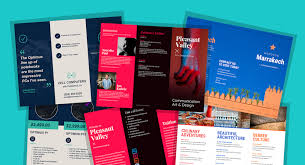
Do you have corporate brochures that detail your products and services? Are you looking for new ways to announce sales and other upcoming events with your brochures? Regardless of the reason for creating printed materials, it is critical that you are using this tool effectively.

If you have been struggling to get customers to pick up your brochures lately, let alone actually read them, it may be time for an update.

1. Weak headlines

Eight out of 10 online viewers read a blog or article headline and then move on without reading anything else. Brochures are no different. If customers pick up brochures, skim a few lines, and then put them back down, it is time to rewrite your headlines. Pull your customers in right from the start so that they are compelled to read the entire flier or pamphlet.

2. No basic contact information

No matter what the topic or goal is for the brochure, you should include basic business information, including name, address, phone number, email address, website, and social media channels. The best thing that can happen after customers read your brochures is that they contact you. Make it easy for them to do so.

3. Inconsistent branding

Did you implement a new company logo two years ago but never got around to making new printed materials? Consistent branding makes your content instantly recognizable for your customers. As you make new brochures, think about the logo, colors, and other design elements that you use across your website and social media channels.

4. Not speaking to the customers

The customers are the reason that you are providing brochures. Avoid using technical jargon and speak in a voice that is appropriate for their level of understanding. Strive for an approachable tone, keeping long words to a minimum.

5. Lack of focus

It is easy to get lost in a topic and wander off in different directions. Most customers pick up a pamphlet because they are looking for specific details. Stick to the point so that they get the information that they need and can then move on their days.

6. Irrelevant graphics

Even if you have gorgeous corporate headquarters, customers are not likely to care about the aesthetics of the office environment. Instead use graphics to showcase the benefits of your products and services.

7. No table of contents

Do customers get confused about where to find certain pieces of information within your corporate brochures? There is nothing wrong with crafting lengthy brochures that have eight or more pages. However, a list of contents can help customers navigate the material. Make a list in bold and separate it from the rest of the text.

8. No call to action

What do you want customers to do after they read your brochures? Many companies make the mistake of assuming that customers know what to do. Don’t leave your customers wondering.

9. Lack of incentive

It is great if customers follow through with the call to action, but it is even better if they follow through with it sooner rather than later. Offer an incentive for completing the call to action right away. For example, maybe the online demonstration concludes with a time sensitive coupon for the new product line.

Page 1 of 3